
The Supplements That Made It Into My Daily Routine

The supplements I take every day

I never pictured myself becoming someone with a shelf full of supplements.

For years, I grabbed whatever looked good at the store and hoped for the best. I didn't spend much time thinking about ingredients or research. Life was busy. Teaching, raising six kids and keeping the house running left plenty on my plate already.

Then I hit my 40s.

I started paying more attention to my health. I wanted more energy for my family. I wanted my workouts to count. I wanted habits that would serve me well for years instead of chasing the latest trend.

I started listening to podcasts during my commute. I read studies after the kids went to bed. I found experts like Dr. Rhonda Patrick, who has a gift for breaking complicated research into something I could actually understand. Her work gave me a starting point. From there, I kept reading and made my own decisions about what fit my goals.

This page isn't a list of miracle products. It's the routine I've built one choice at a time. Some of these supplements have decades of research behind them. Others are newer and still being studied. I'll always tell you which is which because I think that's important.

Affiliate Disclosure: This page contains affiliate links, including Amazon links. If you click through and make a purchase, I may earn a small commission at no extra cost to you. I only recommend products I personally use and believe in.

What Each One Does, and the Research Behind It

Omega-3s without the fish

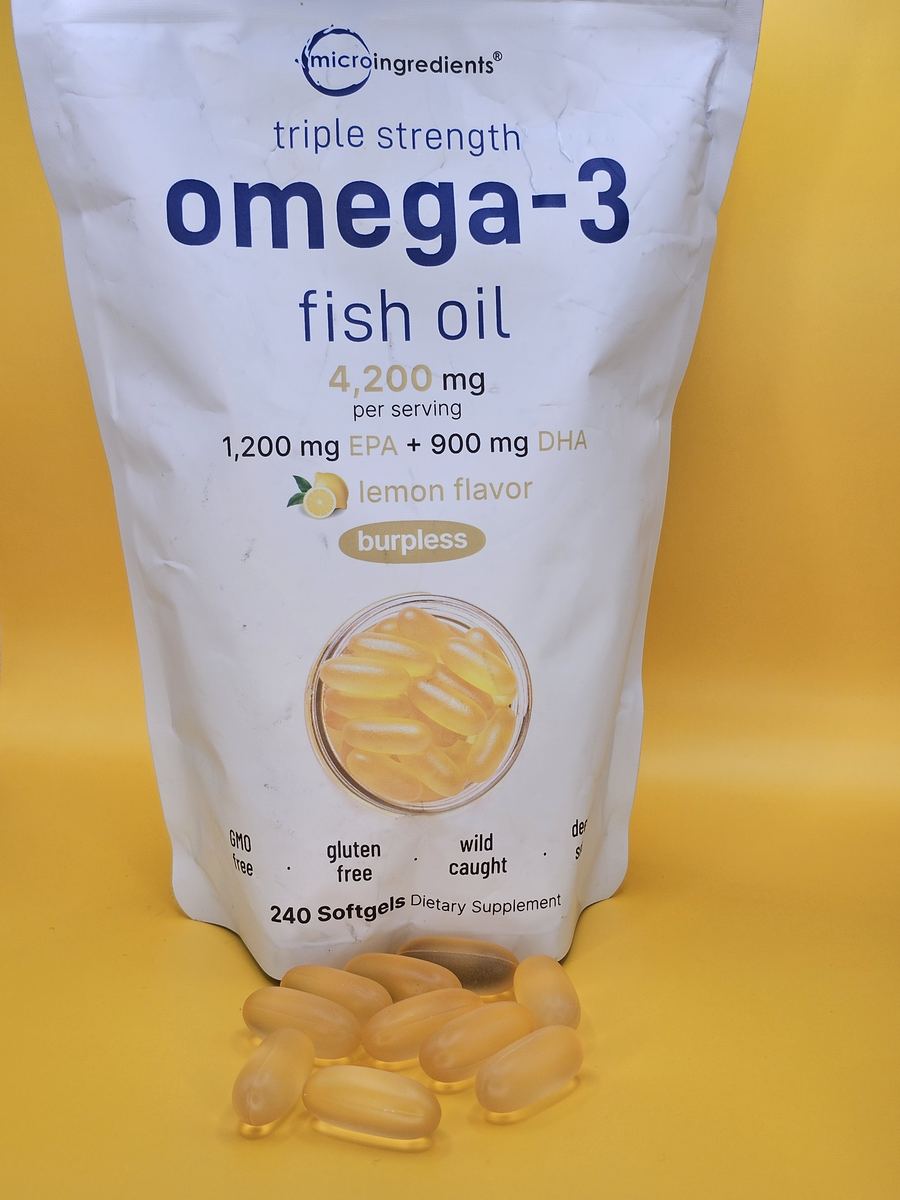
Fish Oil (Omega-3)
"This was one of the easiest additions to my routine. I know I don't eat enough fish, so this helps me fill that gap without overthinking it."

People usually take it for:

  • Supporting heart, brain and eye health
  • Filling the gap when fatty fish isn't a regular part of your diet

I don't eat fatty fish as often as I'd like, so this was one of the first supplements I added. Omega-3s have a lot of research behind them, and Dr. Rhonda Patrick talks a lot about getting enough of them from food or a supplement.

Why I like it: It fills a gap in what I eat, and it has years of research behind it.

What is fish oil good for?

It gives you omega-3 fats your body can't make much of on its own. The NIH says omega-3s help your heart, lungs and immune system do their jobs, and that supplements are safe for adults up to about 5 grams a day. Fatty fish is the food way to get them. A supplement fills the gap when you don't eat much fish. The NIH fact sheet →
Stronger muscles, any age

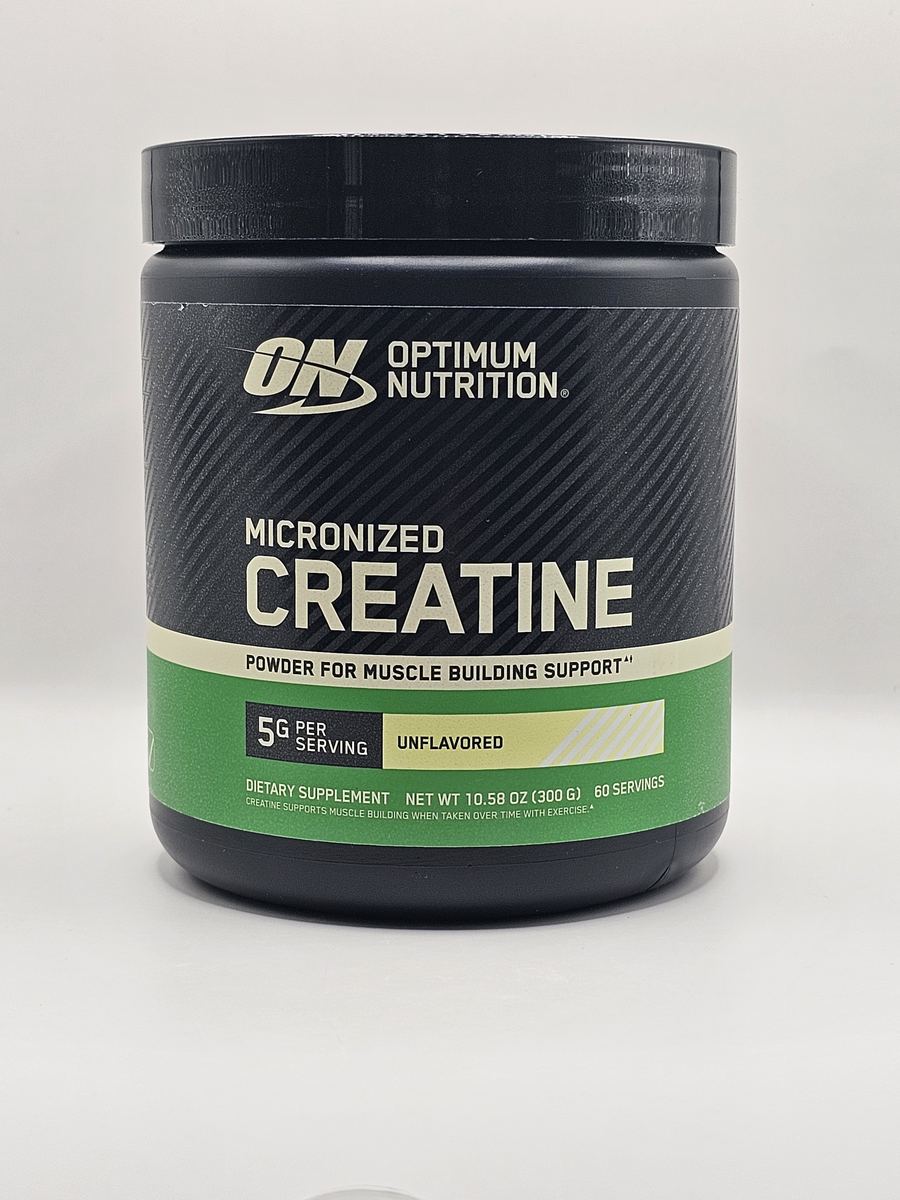
Creatine Monohydrate

"The more I learned about creatine, the more I wondered why women aren't talking about it more. There's so much good research behind it."

People usually take it for:

  • Supporting strength, muscle performance and exercise recovery
  • Scientists are also studying how it helps the brain

I used to think creatine was only for people trying to build muscle. Then I started reading the research. It's one of the most studied supplements available, which made it an easy choice once I started strength training regularly.

Why I like it: I appreciate that there's so much quality research behind it.

Is creatine safe for women, and does it do anything different for us?

Is it safe? The International Society of Sports Nutrition looked at the research and says yes, creatine is safe and it works. The sports nutrition experts' review → For women it may be even more useful. A 2021 review found women store about 70 to 80% less creatine than men, and hormones change how the body uses it. So it may help most around and after menopause, and it may help your bones when you also lift weights. The 2021 review on women and creatine →

An easy daily habit

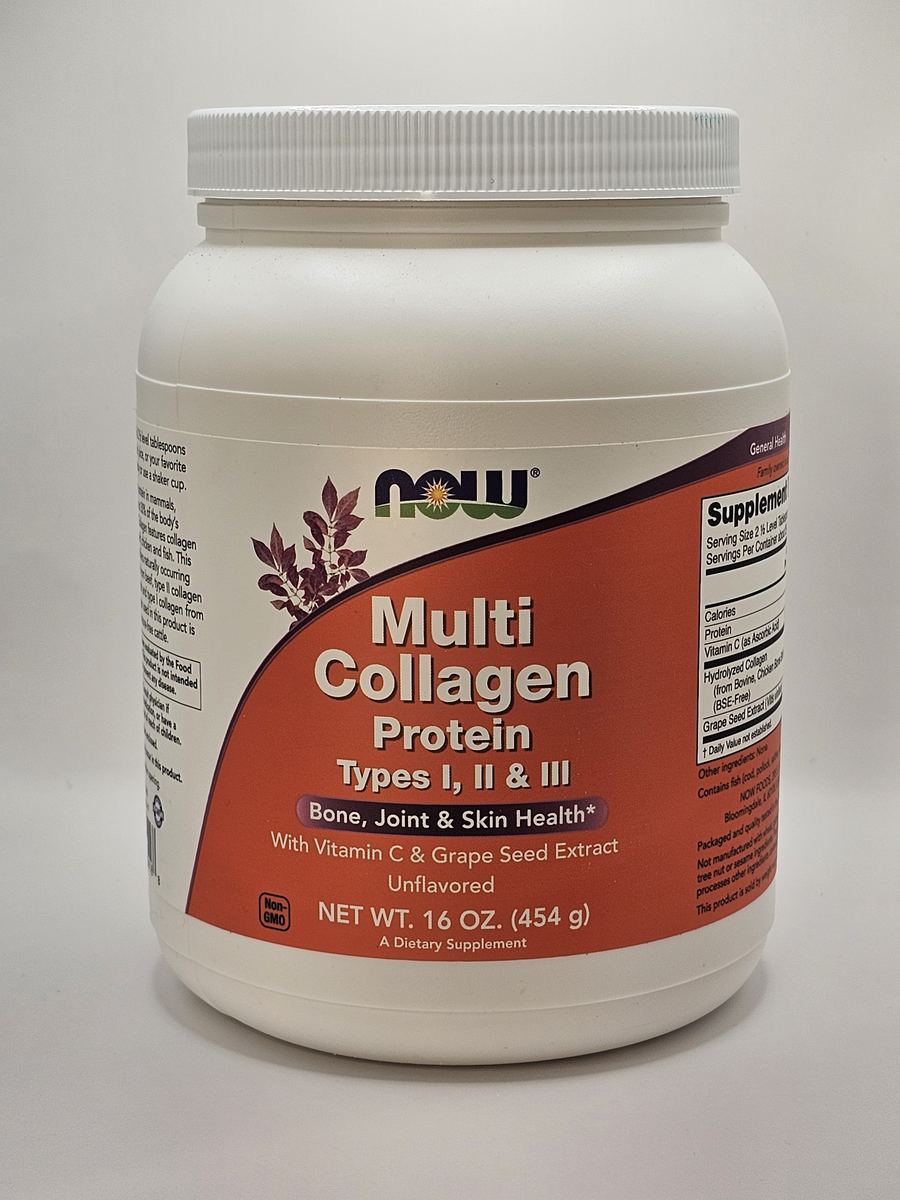
Collagen Peptides

"If it's easy, I'll stick with it. I throw this in my coffee every morning and don't have to think twice about it."

People usually take it for:

  • Supporting skin elasticity and hydration
  • Joint comfort, which has its own separate research

This one couldn't be easier. I stir it into my morning coffee and move on with my day. Some research says collagen may help skin stay firm and hydrated, and may help achy joints, when you take it every day.

Why I like it: It's the easiest habit in my whole routine, and easy habits are the ones I keep.

Does collagen actually work for skin?

A 2023 review pulled together 26 studies with 1,721 people. Collagen helped skin hold more water and stay more stretchy, compared with a fake pill, and how long people took it changed the results. Good to know before you buy: another review found the stretchy-skin results showed up in studies paid for by companies, and didn't show up in the independent ones. Bigger independent studies are still needed. The 2023 review of 26 studies → Other studies have looked at collagen for knee pain from arthritis. The knee pain review →

Broccoli sprouts in a pill

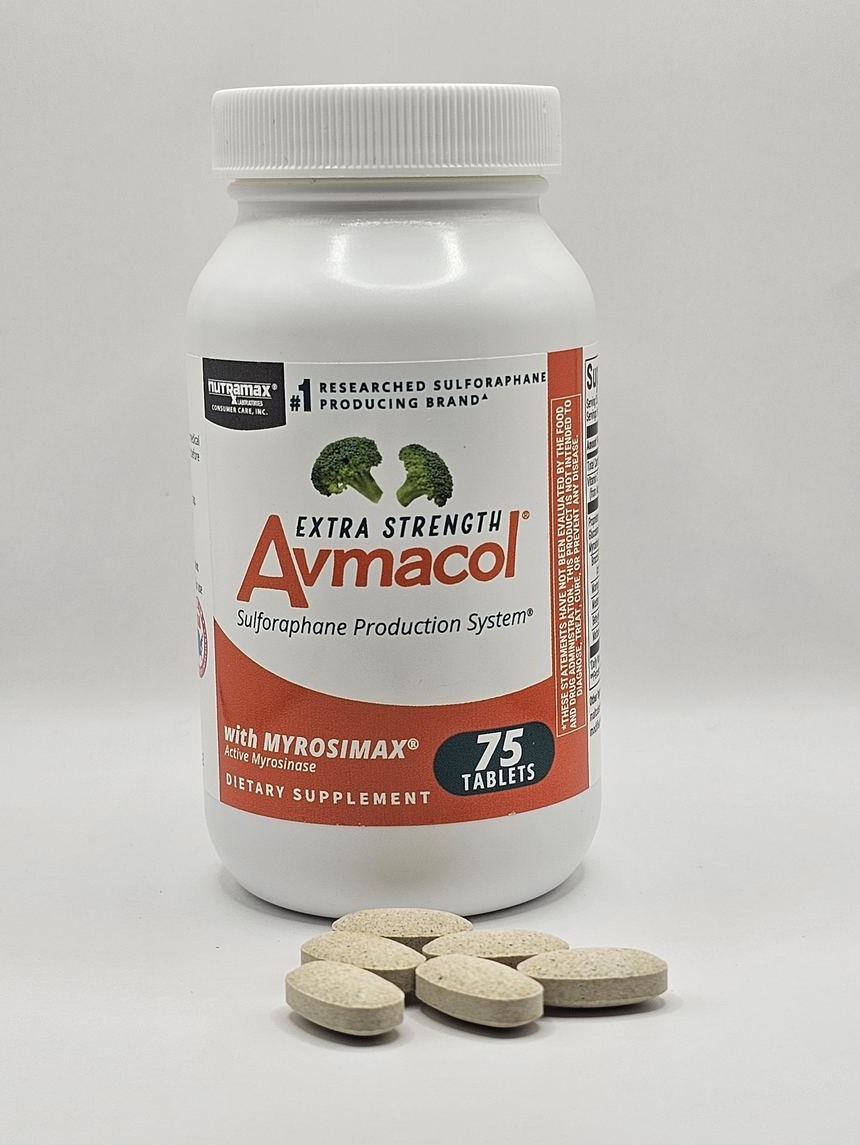
Avmacol (Sulforaphane)

"This one definitely sent me down a research rabbit hole. I heard Dr. Rhonda Patrick talking about it and ended up spending hours learning more."

People usually take it for:

  • Helping your body's own cleanup and protection system

This is the supplement that gets the most "What is that?" from people. I first heard about sulforaphane from Dr. Rhonda Patrick, who talks about the research on broccoli sprouts. Scientists are still studying what it does for the body's own defenses.

Why I like it: I like following new research, and this one caught my attention.

What does sulforaphane do?

It comes from broccoli sprouts, and it turns on the body's own cleanup and protection system. In one study, people who took a broccoli sprout extract cleared certain air pollutants out of their bodies faster. That's what the study measured. Most of the research is still early, from animal studies and small studies in people. The broccoli sprout study →

Fill a common gap

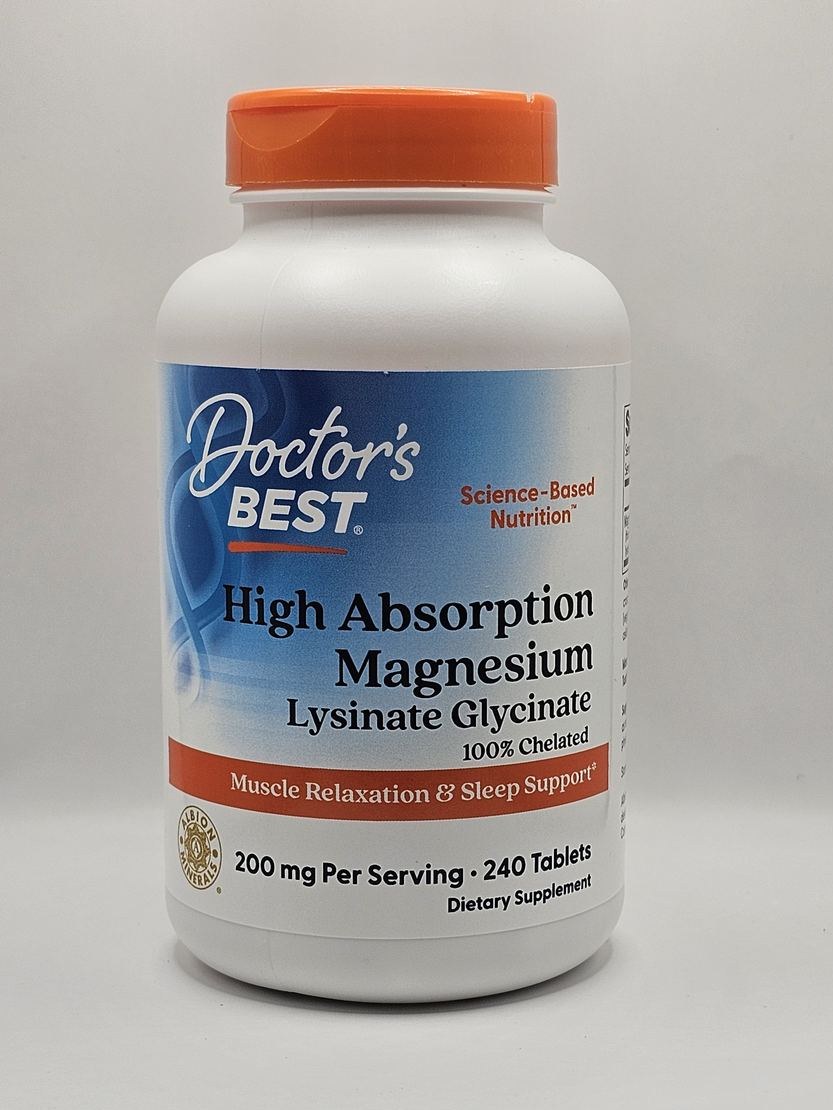
Magnesium

"Sometimes the simplest supplements are the ones that make the most sense. Magnesium earned a permanent spot in my routine."

People usually take it for:

  • Supporting normal muscle and nerve function
  • Bone health
  • Hundreds of other processes throughout the body

Your body uses magnesium for hundreds of everyday jobs. Even with a good diet, a lot of people don't get enough from food, so this is one I feel good about taking.

Why I like it: It's one of those foundational nutrients that quietly does a lot behind the scenes.

What does magnesium do for the body?

The NIH says your body needs it for your muscles, nerves, blood sugar and blood pressure, and to make protein, bone and DNA. You get it from beans, nuts, seeds, whole grains and leafy greens, and a lot of people don't get enough from food. The NIH fact sheet →

Support healthy joints

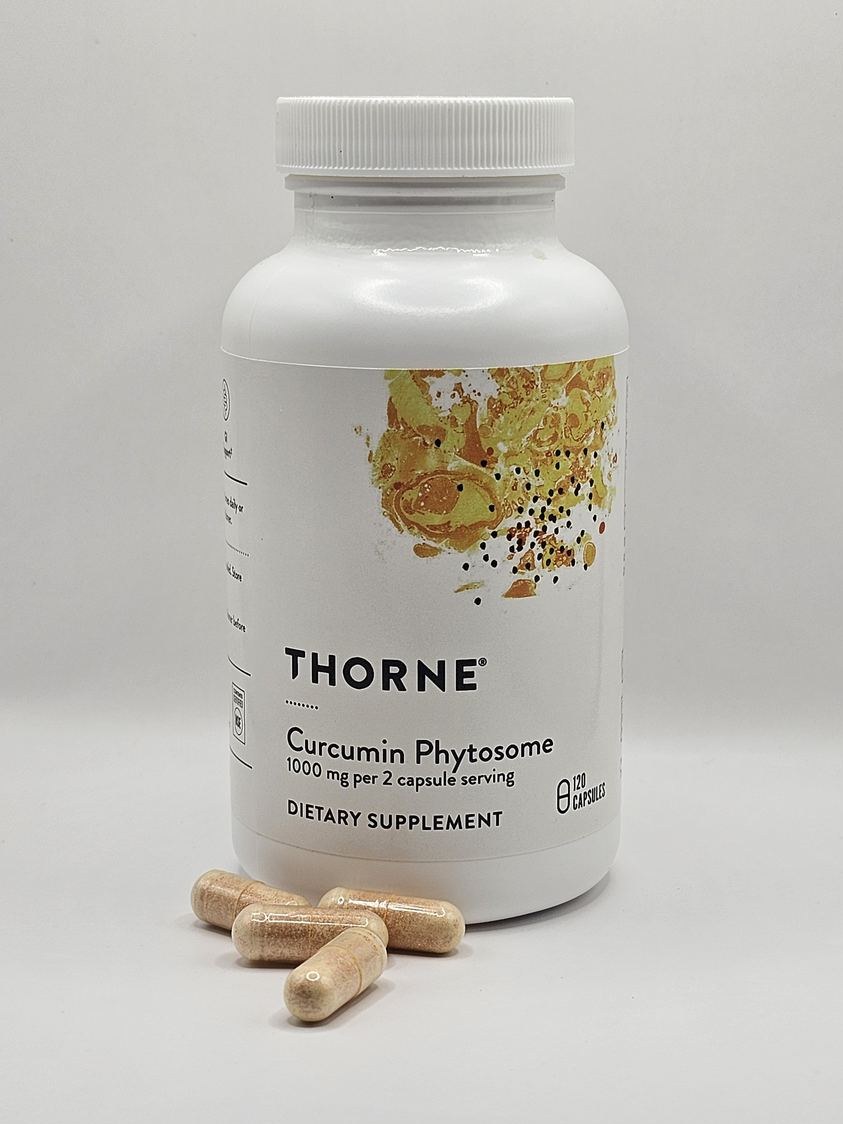
Curcumin Phytosome

"When I buy a supplement, I want the version that's been researched well. That's why I chose this form instead of just grabbing the first bottle I saw."

People usually take it for:

  • Healthy joints and the body's normal swelling response

Curcumin is the part of turmeric that scientists have studied the most. I picked a phytosome kind because it's made so your body soaks up more of it than regular curcumin. When I buy a supplement, I want the kind that's been studied.

Why I like it: I'm paying more attention to aging well, and this is the kind with research behind it.

Why the phytosome form instead of regular turmeric?

Plain curcumin doesn't soak in well, so most of what you swallow never reaches your blood. The phytosome kind is attached to a healthy fat that helps it soak in, and studies in people show a lot more of it gets in. The study on how well it soaks in → For achy joints, the NIH says some studies show a small benefit, and better research is still needed. The NIH turmeric fact sheet →

Support healthy aging

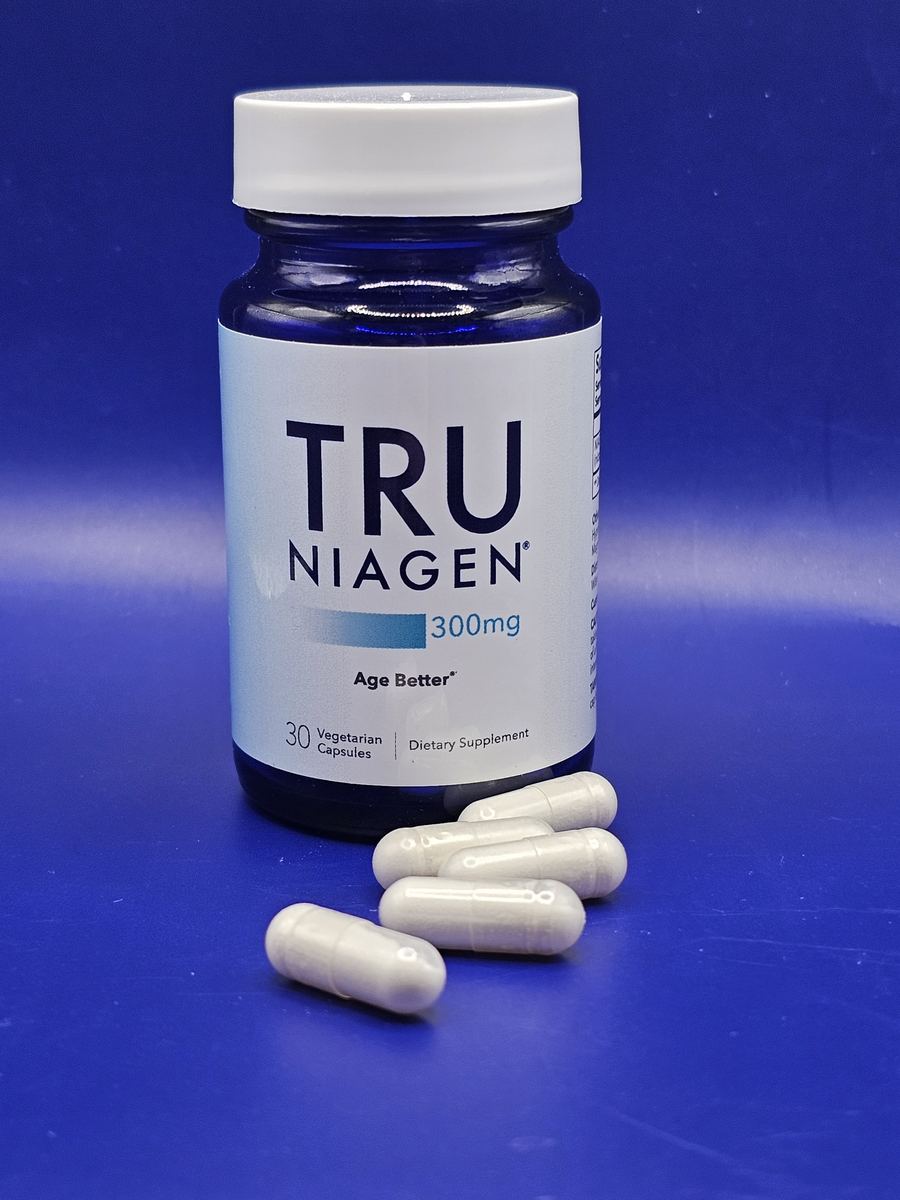
Tru Niagen (Nicotinamide Riboside)

"Healthy aging is something I'm thinking about a lot more these days. I'm always interested in where the research is headed."

People usually take it for:

  • Keeping NAD+ up, which your cells use to make energy

Tru Niagen is NR, short for nicotinamide riboside. Your body turns it into NAD+, something every cell uses for energy. Studies in people show NR raises NAD+, and scientists are still learning what that means over the long run.

Why I like it: I like following the research on aging, and I keep my expectations real.

Does nicotinamide riboside raise NAD+ levels?

Yes. Your body turns NR into NAD+, which your cells use for energy, and NAD+ drops as we age. In careful studies with healthy middle-aged and older adults, NR raised NAD+ in the blood and people handled it well. Keep it real, though: those studies show it raises NAD+. They don't show it slows aging. Nobody knows that yet. The NR study →

Aging well, the research pick

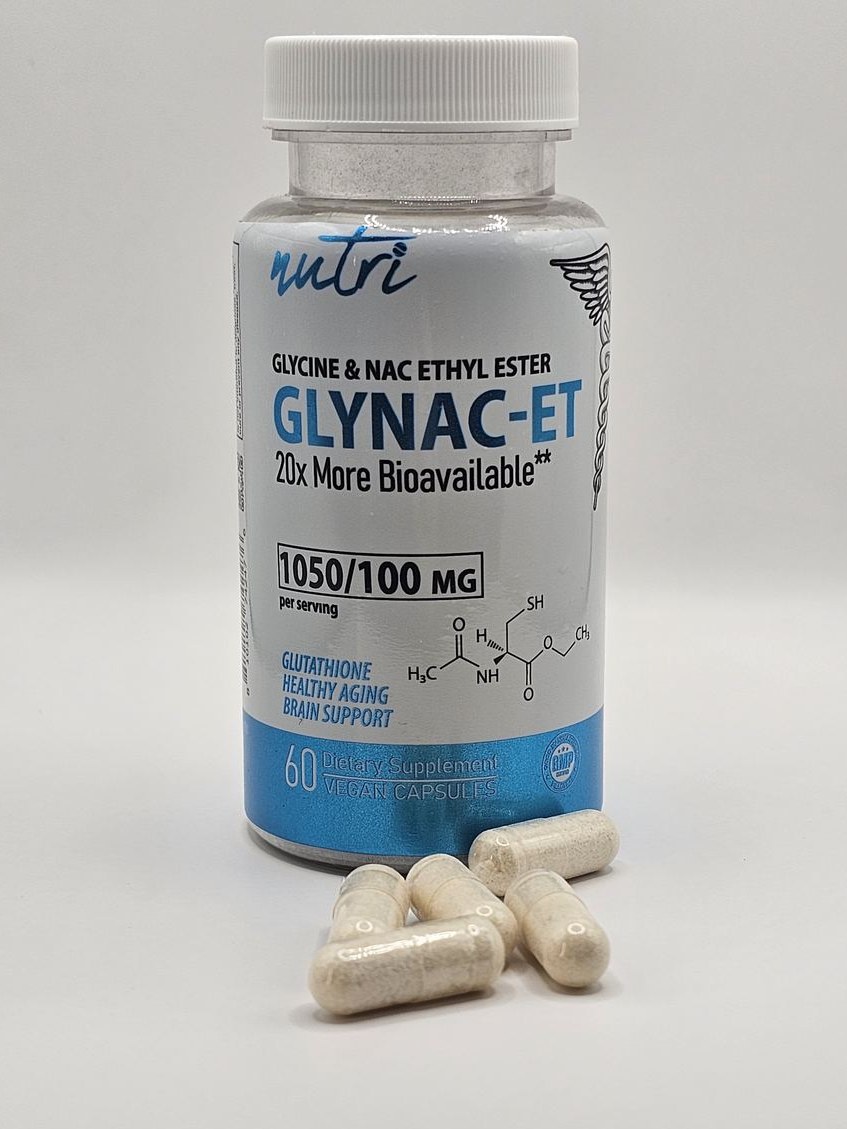
GlyNAC-ET

"I don't mind trying something newer as long as the research looks promising and people are honest about what we still don't know."

People usually take it for:

  • Helping your body make glutathione, one of its built-in protectors

GlyNAC is two things together: glycine and NAC. Your body uses them to make glutathione, one of its own built-in protectors, and scientists are studying it as we get older. The research is still new.

Why I like it: I like keeping up with new research, and I keep my expectations real.

What is GlyNAC used for?

It's glycine plus NAC, the two building blocks your body uses to make glutathione. Researchers at Baylor College of Medicine tested it in older adults and saw better glutathione levels, less stress on cells, more muscle strength, faster walking and sharper thinking. The honest catch, from the researchers themselves: the benefits faded after people stopped taking it. This is still new research. The Baylor study →

A multivitamin that covers more

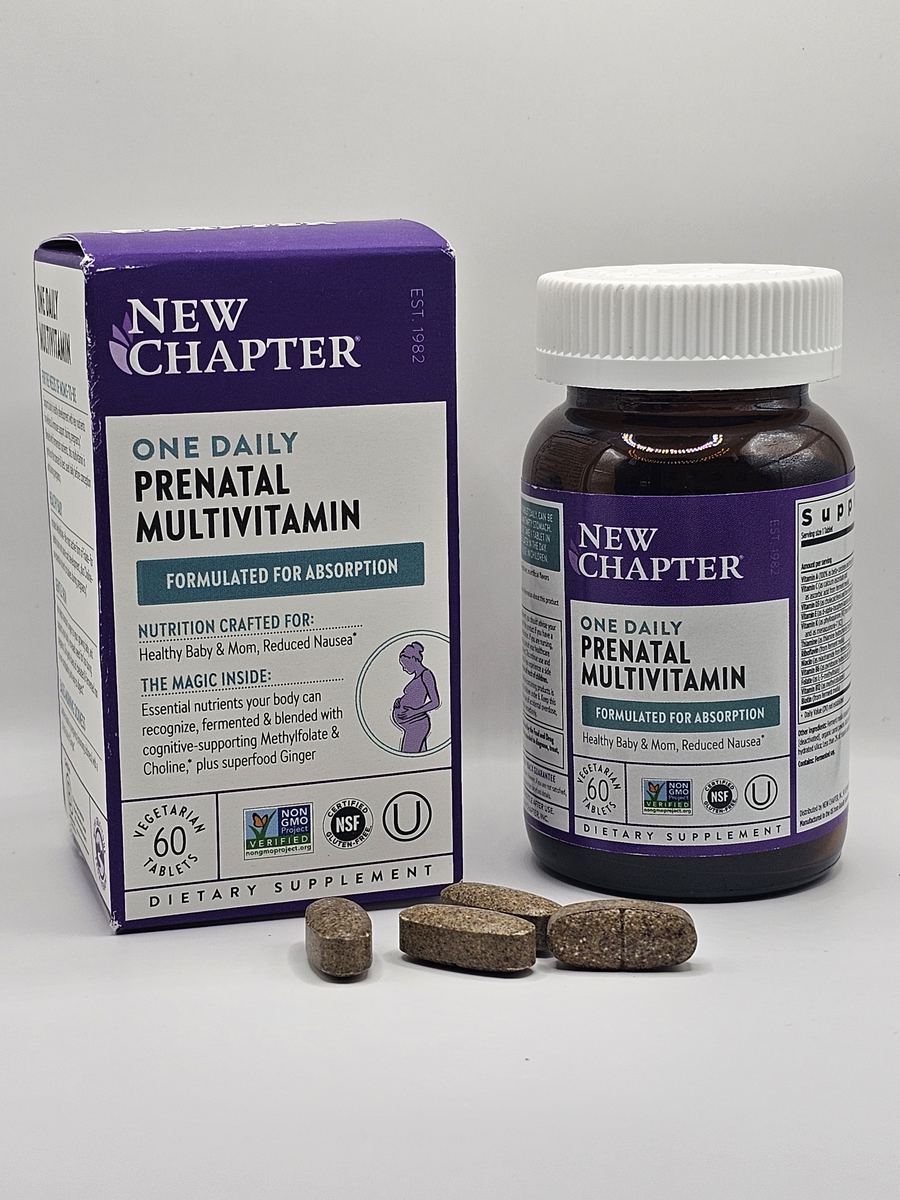
Prenatal Vitamin

"People laugh when they see a prenatal on my shelf. I'm not pregnant. I take it because it's the only one that had what I was actually looking for."

People usually take it for:

  • Extra vitamins and minerals for when you're pregnant
  • Some people take one as an everyday multivitamin, with their doctor's OK

This one surprises people! No, I'm not pregnant. I compared a lot of multivitamins and picked a prenatal with methylated folate, a kind of folate that's ready for your body to use. Ask your doctor what's right for you.

Why I like it: It gives me a broad range of vitamins and minerals in one supplement.

Can you take a prenatal vitamin if you're not pregnant?

Some people take a prenatal as an everyday multivitamin for the folate and minerals, so check with your doctor first. On folate, the NIH is clear: folic acid before and early in pregnancy helps prevent serious birth defects of the brain and spine, and any woman who could get pregnant should get 400 mcg a day. Timing is why. Those parts form in the first month, often before a woman knows she's pregnant. The NIH fact sheet →

One vitamin brand for everyone

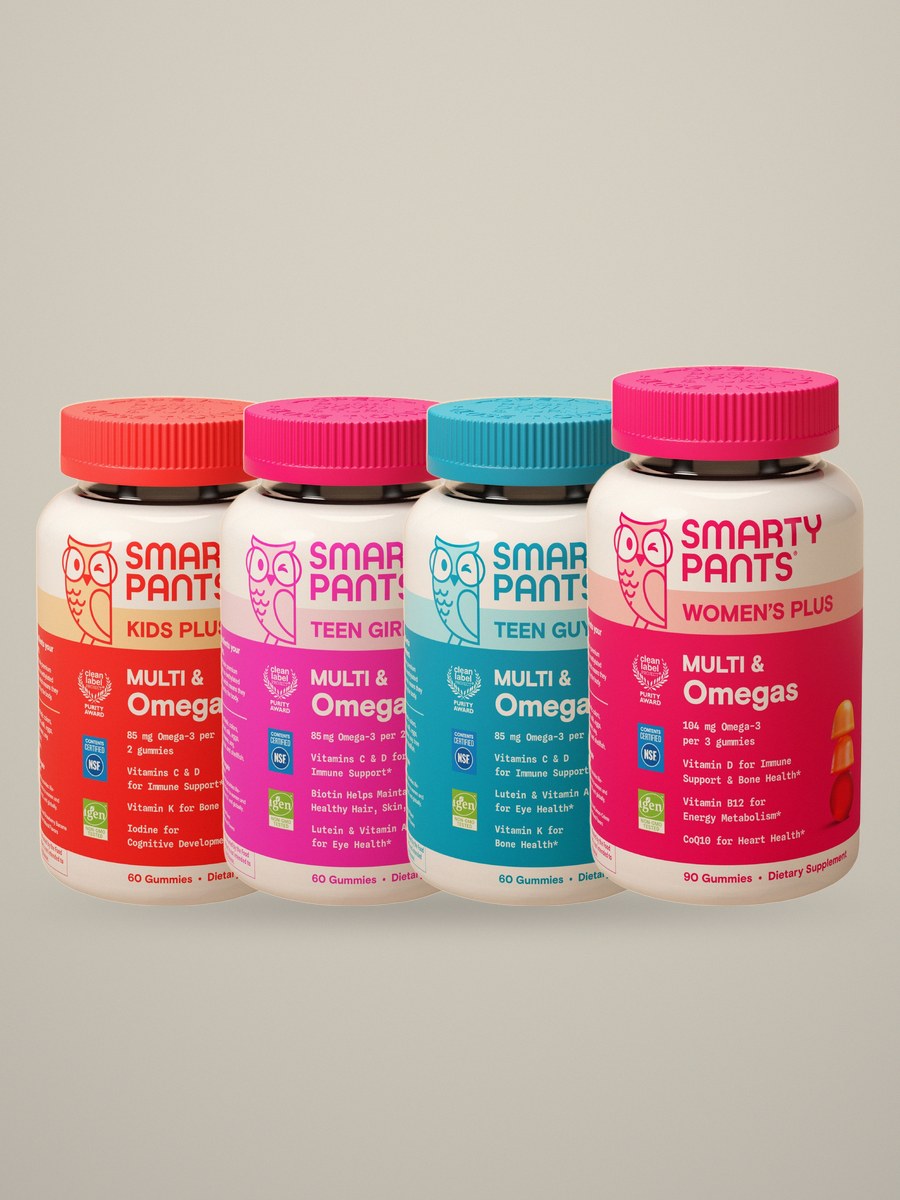
SmartyPants Multivitamins for Kids, Teens and Women

"Gummy vitamins for the kids, the teens and me."

With six kids, I like one brand that covers everybody. SmartyPants makes the Kids version, a Teen Girl and a Teen Guy version, and a Women's version for me. They're gummies with omega-3s, and they have no synthetic colors or artificial flavors. We have five teenagers, and we've ordered these 18 times in the last year. That's how fast they go in this house. It's also been a year of growth spurts around here, so I'm glad everybody's getting their vitamins. Check with your pediatrician about what's right for your kids.

Why I like it: Five teenagers, 18 orders in the last year. One brand covers all of us.

How I decide whether a supplement is worth it

I read the research before I spend the money, and I'd rather take four things that hold up than twelve that sound good. If the evidence is thin, I say so on the product itself. If a supplement stops earning its spot, it comes off this page.

More of what I actually use: how I work out and how I recover, what earns counter space in my kitchen, and the things that make my life better.

Reviewed and sources checked August 2026.

Deals move fast. I'll send you the good ones.